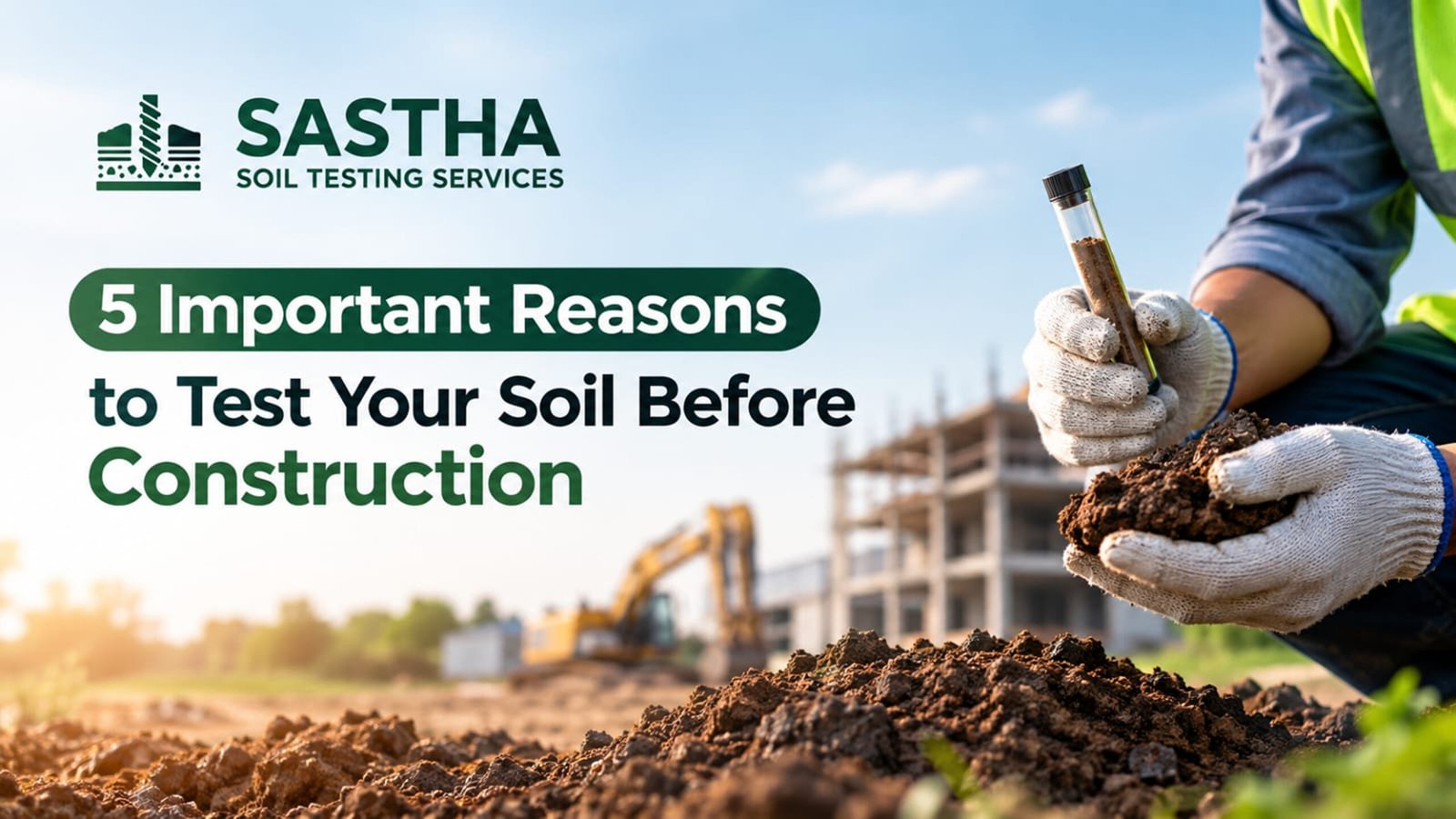
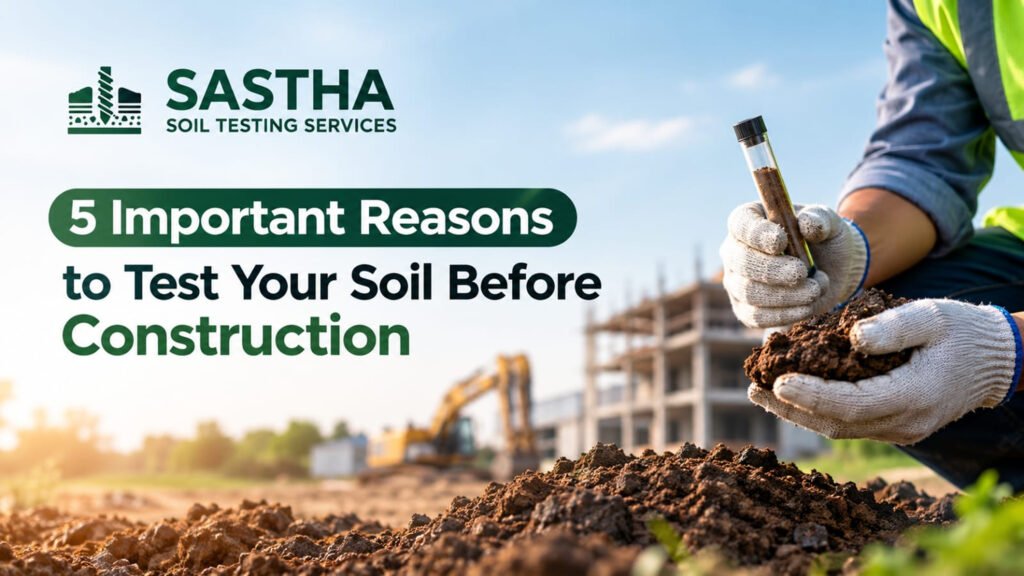
1. Determines the Soil's Load-Bearing Capacity
One of the primary purposes of soil testing is to determine how much load the ground can safely support. Different soil types, such as clay, sand, gravel, and silt, have different strength and stability characteristics. These differences influence the type and depth of foundation required for a building.
Soil testing helps engineers evaluate the ground’s bearing capacity and select a suitable foundation design based on the project’s requirements. Without this assessment, an unsuitable foundation may experience excessive settlement or other structural problems.
Professional soil investigation is particularly important for residential buildings, commercial complexes, industrial facilities, and large construction projects where structural safety is a major concern.
2. Helps Prevent Foundation Settlement and Structural Damage
Uneven foundation settlement is a common concern when soil conditions are not properly assessed before construction. When the ground beneath a structure cannot support the imposed loads uniformly, different sections of the building may settle at different rates.
This can result in wall cracks, uneven floors, damaged foundations, and other structural issues. In severe cases, foundation movement may affect the long-term stability of the building.
Soil testing helps identify potential ground-related risks before construction begins. By understanding soil characteristics and potential settlement issues, engineers can plan appropriate foundation systems and take necessary precautions.
Investing in soil testing at the beginning of a project can help reduce the risk of expensive repairs and improve the long-term durability of the structure.
3. Supports Proper Foundation Design
Every construction site has unique ground conditions. A foundation suitable for one property may not be appropriate for another, even when the buildings have similar designs. Factors such as soil type, groundwater conditions, soil strength, and the expected structural load must be considered during foundation planning.
Soil testing provides technical data that helps geotechnical engineers and structural engineers determine the most appropriate foundation solution. Depending on the site conditions, the results may support decisions regarding shallow foundations, isolated footings, raft foundations, or pile foundations.
For builders looking for the Best soil testing in Madurai, choosing a reliable testing provider helps ensure that foundation planning is based on site-specific information rather than assumptions.
Accurate soil investigation also supports better coordination between architects, structural engineers, and construction teams throughout the project.
4. Helps Identify Soil and Groundwater-Related Risks
Soil conditions can vary significantly from one location to another. Some sites may contain expansive clay, loose soil, filled ground, or other materials that require special attention. Groundwater levels and certain chemical properties of soil can also influence construction decisions.
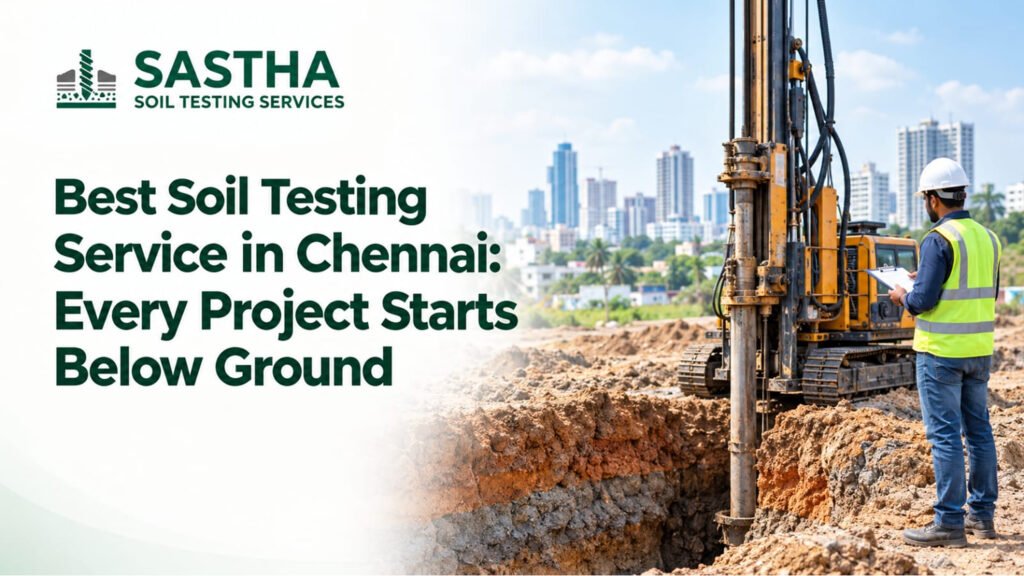
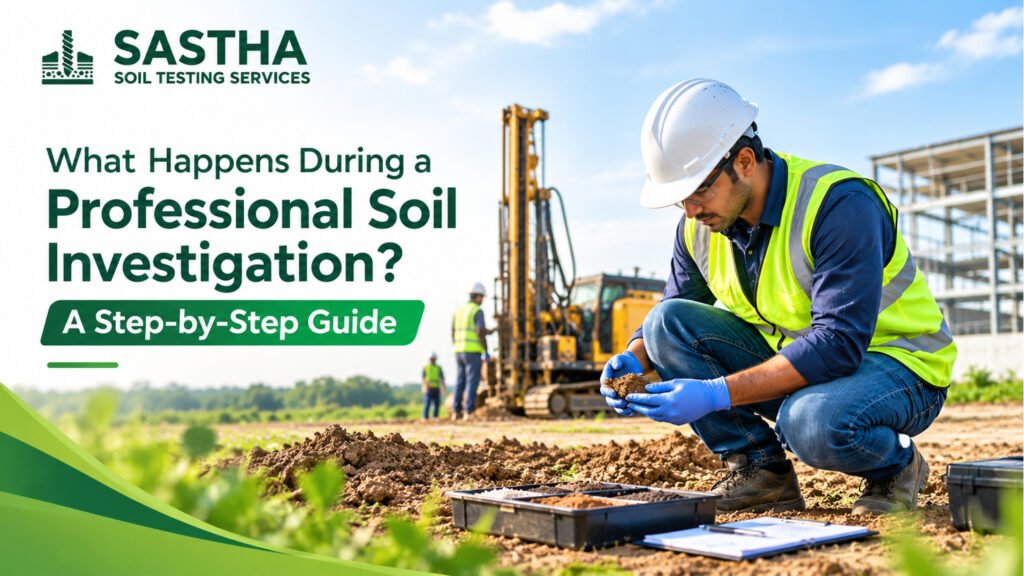
Depending on the project requirements, soil investigation may include borehole investigations, standard penetration tests, laboratory soil classification, moisture content analysis, and soil chemical testing.
These investigations help identify conditions that could affect foundation performance, excavation work, drainage, or the durability of construction materials. Soil chemical testing may also help assess potential risks to concrete and buried metal components.
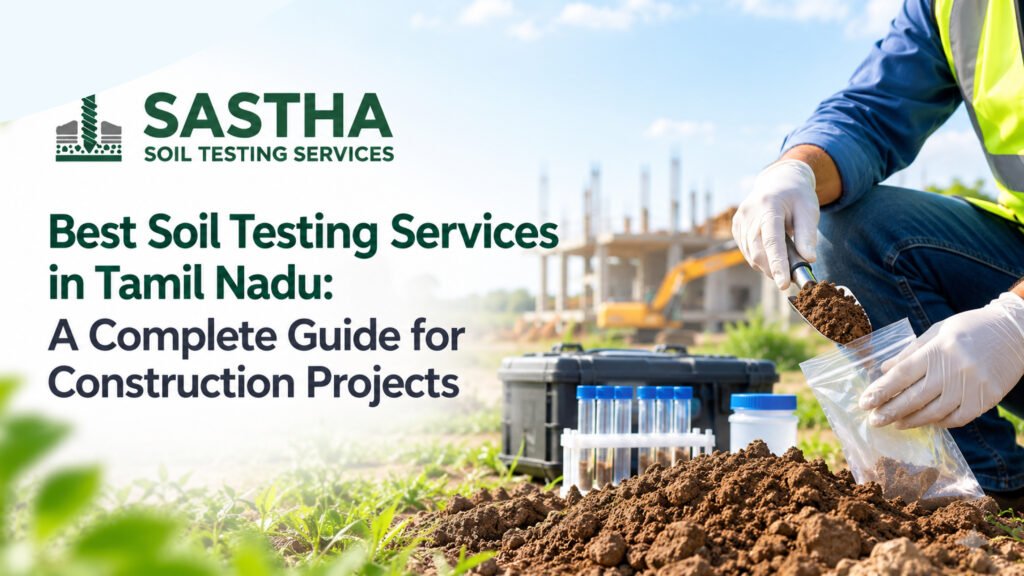
Professional Building soil testing services in Tamilnadu can provide the necessary technical information to evaluate site conditions and support safer construction planning.
The exact tests required depend on the location, type of structure, site conditions, and applicable engineering standards.
5. Reduces Construction Costs and Improves Project Planning
Soil testing is an important early investment that can help prevent avoidable construction expenses. When ground conditions are not properly investigated, unexpected problems may arise during excavation or foundation work. These issues can lead to design changes, material wastage, construction delays, and additional labour costs.
By identifying soil-related challenges before work begins, project teams can plan foundation requirements more accurately, estimate material quantities, and allocate resources more effectively.
Soil investigation also helps engineers determine whether additional ground improvement measures may be necessary before construction proceeds.
Working with the Best soil testing service in Tamilnadu can help builders and property owners obtain reliable soil data for technical planning and informed decision-making. Although testing involves an initial cost, it can help reduce the likelihood of much larger expenses caused by unsuitable foundation design or unexpected ground conditions.
Why Choose Professional Soil Testing Services?
Professional soil testing helps ensure safe construction planning through accurate sampling, reliable testing, and technical reporting.
Sastha Soil Testing offers:
- Soil and Rock Testing
- Geophysical Testing
- Highway and Bridge Soil Testing
- Plate Load and Pile Load Testing
- Pile Integrity Testing
- Earth Resistivity Testing
- Building Material and Concrete Testing
- Soil Chemical Testing
- Water Testing
- Non-Destructive Testing (NDT)
- Agricultural Soil Testing
Choosing the right tests based on project requirements helps engineers assess site conditions and plan safer, more reliable construction.
Conclusion
Soil testing is a fundamental step in preparing for safe and successful construction. It helps determine load-bearing capacity, identify potential settlement risks, support suitable foundation design, and improve project cost planning. Choosing the Best soil testing service in Madurai helps property owners, builders, and engineers make informed decisions based on reliable soil investigation results. Sastha Soil Testing offers services including soil and rock testing, geophysical testing, plate load testing, pile load testing, pile integrity testing, soil chemical testing, concrete testing, building material testing, water testing, earth resistivity testing, and non-destructive testing (NDT). These services help identify ground conditions, reduce construction risks, and support better foundation planning. Choose Sastha Soil Testing for professional testing solutions and make informed construction decisions from the ground up.